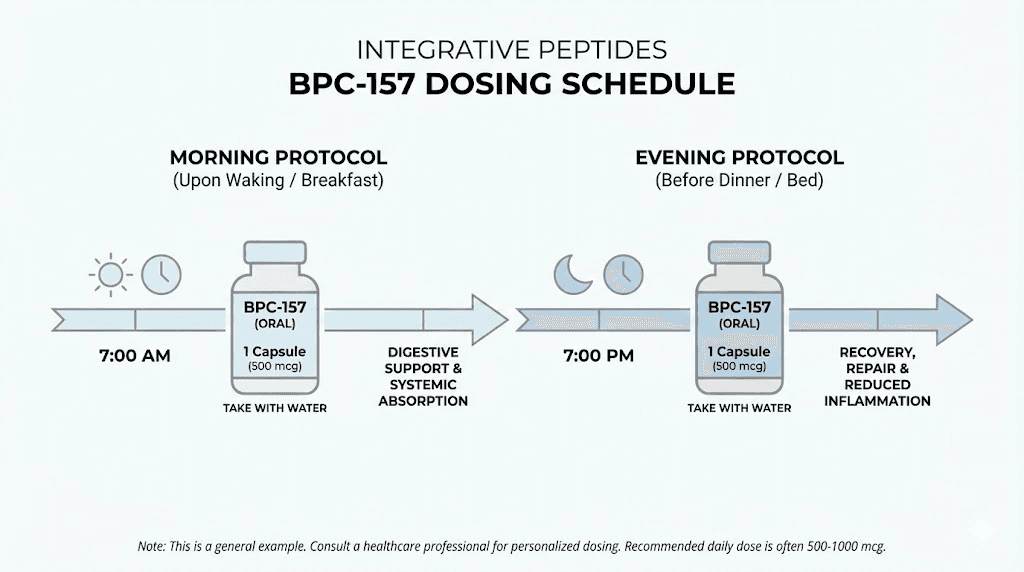
GHK-Cu vs BPC-157 Protocol Structure For educational reference only, a common GHK-Cu vs BPC-157 protocol comparison looks like this: Typical GHK-Cu Educational Reference Pattern 1.02.0 mg per administration Often 35 times per week Common 812 week structure Usually chosen for collagen and tissue-remodeling-focused research Typical BPC-157 Educational Reference Pattern 200600 mcg daily Often once daily Common 812 week structure Usually chosen for tendon, ligament, muscle, and recovery-focused research These are educational reference frameworks only based on common third-party protocol examples and should not be interpreted as medical advice
persistent reactions warrant protocol review
We offer a variety of payment options for your convenience
investigated for selective fat-mobilising effects independent of GH receptor signalling Cartilage & joint research Examined in chondrocyte models and osteoarthritis frameworks for anabolic effects on cartilage matrix synthesis Metabolic profile Investigated for absence of the hyperglycaemic and IGF-1-elevating effects associated with full-length hGH, making it a useful tool compound for isolating GHs metabolic effects Body composition models Studied in rodent obesity models for changes in fat mass, lean mass, and energy expenditure Clinical research history Progressed to early-phase human trials in Australia (2000s) for obesity and osteoarthritis indications
hnlich wie HGH stimuliert es die Freisetzung von gespeicherten Fettsuren, wobei es weder negative Auswirkungen auf den Blutzuckerspiegel noch auf die Insulinsensitivitt hat
Decreases oxidative stress Promotes anti-inflammatory gene expression Supports healing in diabetic ulcers and chronic wounds GHK-Cu reduces inflammatory cytokines and increases antioxidant enzyme levels, contributing to accelerated healing and reduced scarring. Pickart, Geriatrics Summary: Why GHK-Cu Is a Skincare Breakthrough GHK-Cu vs